
In March 2020, the UK and the world were being gripped by the COVID-19 virus pandemic. The virus inflicted respiratory inflammation to those who caught it, with the main symptoms being: having a new and continuous cough; a high temperature; and a symptom that was added as more research was undertaken, a change of loss in taste and/or smell (anosmia)*. This blog post is a long one but essentially sets the scene for how art, in the form of pastel and acrylic media came to be a hobby.

*Disclaimer: The symptoms stated above were the commonly identified symptoms at the time of writing this blog post but might now have changed. If you’re concerned at all about coronavirus (COVID-19) please consult your official health service/website for information
As the pandemic took hold of the world, the UK case rate began to increase – as we had seen across China, where the virus first started, as well as Italy, which became Europe’s epicentre for the pandemic in February.
As this was a new virus, and causing serious illness in the population – including hospitalisation, induced comas, and mortality – radical public health measures were introduced. Measures that had never been seen in recent history because a global pandemic had not occurred within recent times.
One of the measures which were first introduced was social distancing – staying 2m apart from other people that are outside your household, including family members you don’t live with. As the measures were implemented, within the UK, the virus continued to take a firm hold which led to the next stage of public health protection measures – the lockdown.
The lockdown was something that had been seen thanks to global media but never something that had ever been experienced in peacetime history. The initial thought of a lockdown was quite abstract and alien-like. However, it all became very real for the UK when in the evening on Sunday 22nd March 2020, the UK Prime Minister, Boris Johnson, took to the nation’s television screens with one very clear, defined instruction: you must stay at home.
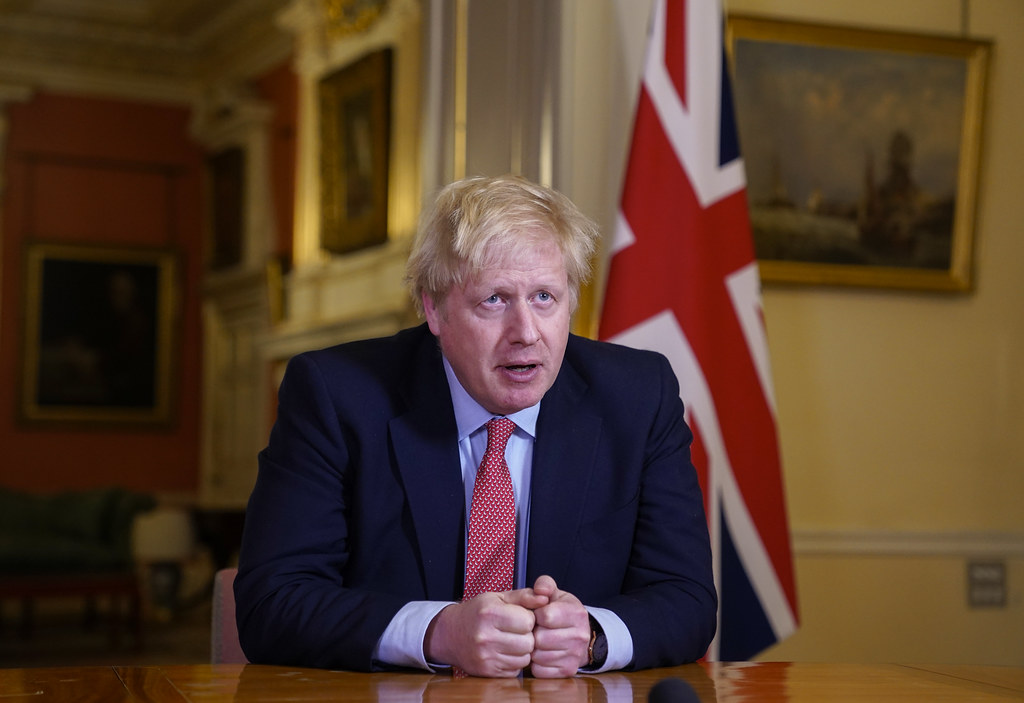
Monday 23rd March 2020 was the day where non-essential retail, pubs and hospitality, schools, offices, workplaces, leisure centres and gyms, and non-essential factories were all ordered to close and remain closed for the foreseeable future. The streets were hollow, the roads silent. What was once a busy time between 07:30 and 09:30, known in the UK as rush hour was suddenly no more.
The UK Government instructed that people must work from home if they can – and if they can’t work from homes, such as bars and hospitality, the employees in these industries would be paid from the Coronavirus Job Retention Scheme – later known as furlough – which was an 80% wage settlement from the UK Government up to the value of £2,500 a month.
The other measure which was strange is that you were only allowed to leave your house for up to 60 mins a day in one go. You were not permitted to leave your home more than once per day. It was a very strange time.
Anyway, as the lockdown got underway, so did the boredom and cabin fever. Understandably, staying indoors limited your social interactions as well as the opportunity to do different things that society was accustomed to – be that seeing friends in the pub, going to watch the latest blockbuster in the cinema, or staying fit in the gym. None of those activities was permitted.
The first lockdown in the UK started on 23rd March 2020 and started to be eased from Saturday 4th July 2020, with new, updated restrictions being enforced governing your activities and behaviours as the UK began to come out of lockdown.
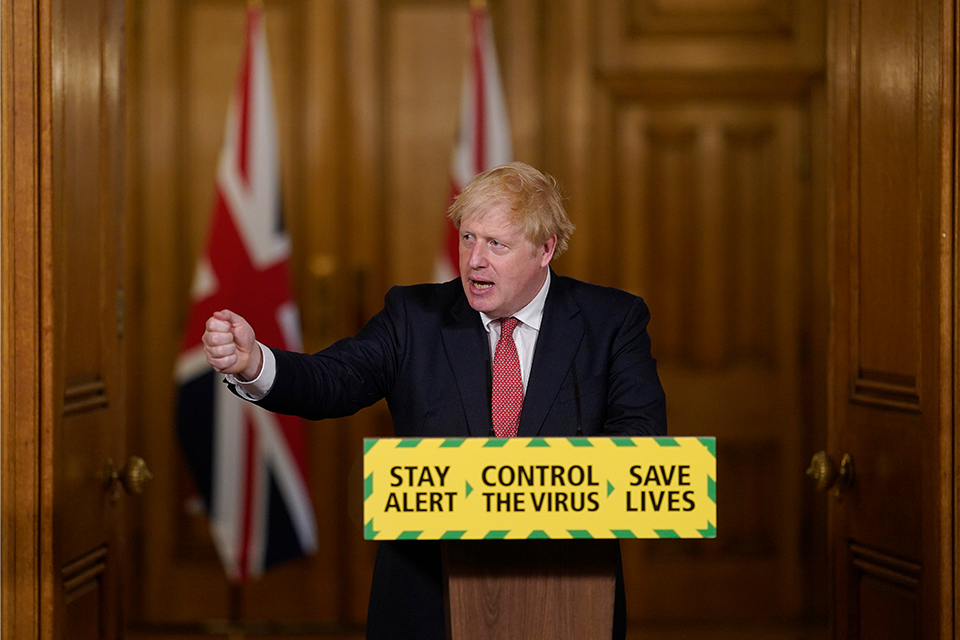
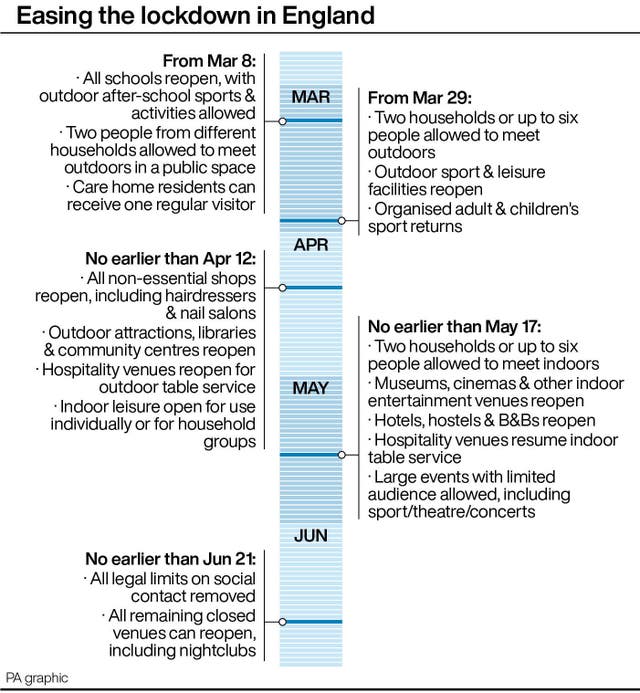
From the easing of the initial lockdown, the UK saw further case rises, hospitalisations, and sadly deaths, resulting in two further national lockdowns. Initially, a tier system of differing restrictions was introduced, which applied to a local level, mainly council areas. However, there was a second lockdown implemented, for a duration of 4 weeks, from 5th November 2020 until 2nd December 2020. England then entered a third national lockdown in the early new year of 2021 – from 6th January until slow easing/lifting of restrictions began from late March 2021 through to June 2021.
So, where does art come into all this? Well, I was never ‘good’ at art in school. I always enjoyed it as a past-time but it wasn’t something I pursued academically. I was aware, and accepted, that my talents lay in other subjects, art not being one of them. However, with the monotonous days and mental health impact that lockdown brought – it was clear I needed to do something to keep the creative side of my mind active and occupied. I knew that I enjoyed working up to art pieces when in school and I knew Amazon/other online retailers sold art materials – so for a past time that was calming, therapeutic and stimulating for the creative side of my brain – art seemed to be a pretty good fit.
I invested in chalk pastels at first and began working on A4 printer paper, after work, to pass an hour or so, breaking the day from being ‘at work’ and being ‘at home’, before starting the normal chores of cooking, cleaning, washing, etc. I have included a few of the first pieces in the pastel art section on this site.
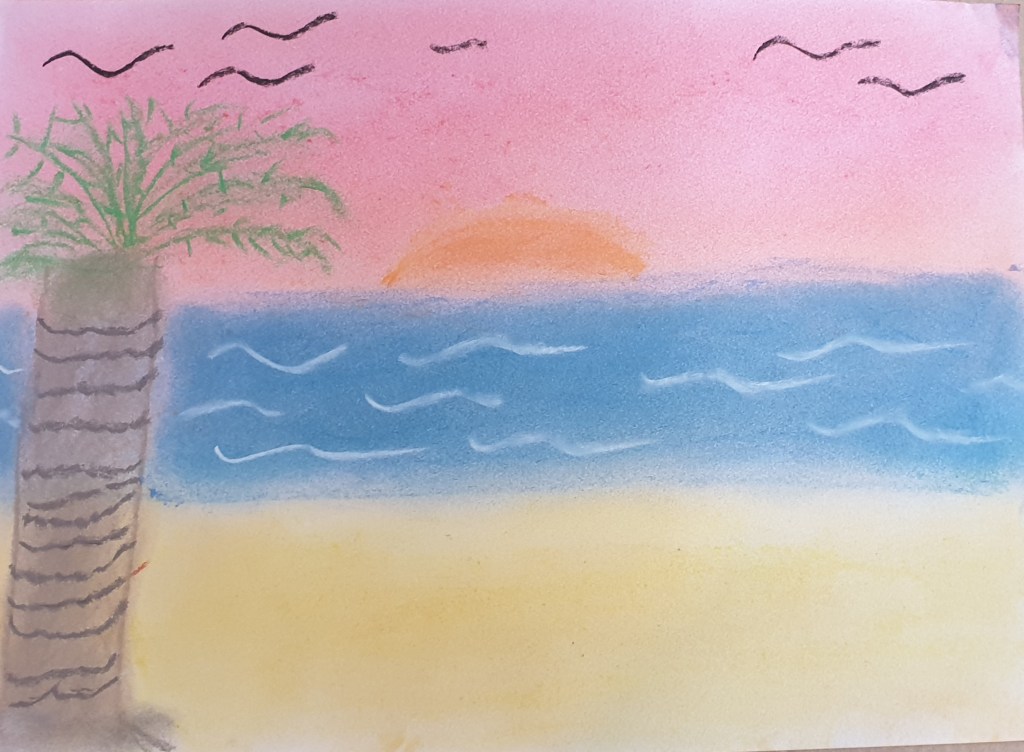
So, that’s where chalk pastel artwork came in, what about acrylic painting? I wanted to try something new within the art remit. Chalk pastel was good to work with but I also wanted to try other media. I knew from when I was at school, I didn’t get on with watercolour – it caused more stress than peace, if I’m being honest – so I didn’t want to go down that route. However, when browsing The Works after lockdown 2 – there was a starter pack of acrylics and supporting brushes which seemed the perfect time to buy and give them a go.
At the time of writing this, August 2021, the UK has relaxed all of the coronavirus public health restrictions which means life is pretty much, more or less, back to normal – back to how we knew it before the pandemic. However, the hobby and past-time of art continue and I hope to carry on once the pandemic is officially over.
One thing I learned out of the experience of lockdowns and the pandemic more generally, is to make time for yourself. Your life might feel like it’s travelling by at 100mph – and sometimes it can feel overwhelming. It’s okay to not be okay. It’s okay to take time for you, yourself. Take days where you spend time doing things you enjoy most – be that reading, walking, doing art, seeing close friends, being with family, whatever it is – ensure you have time in your week for yourself. Art is a good way of ensuring that you have that time for yourself.
This blog post is available in audio as a podcast and can be found here: About the Hobby of Creating Art audio
 Artwork in Progress